Acrylic Painting
Tips and information about painting with acrylic paints
-
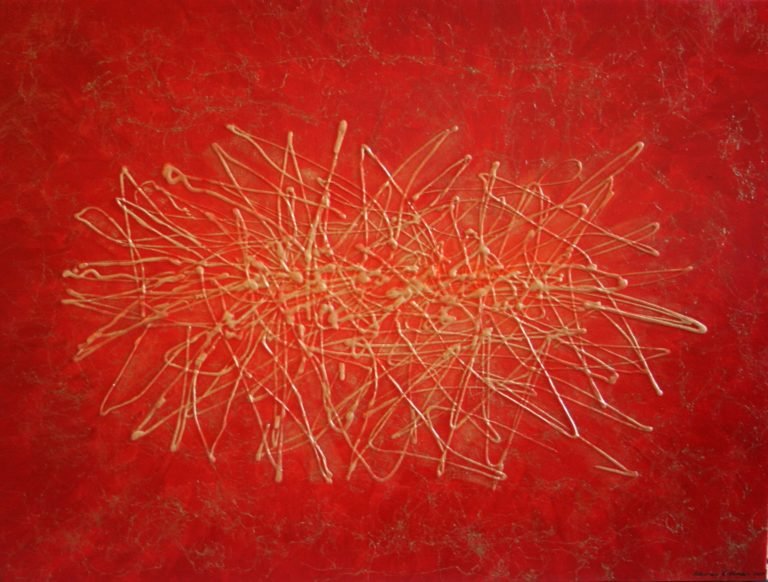
Paint it Yourself – Red Abstract
I thought I would share some step by step instructions on one of my much older paintings that uses a different type of texture. It is quite a basic one and you have my permission to copy it if you want to! This is a relatively easy abstract to do and you can choose whichever colours you wish to use in your painting – I have chosen a red background with gold highlights. You could do it in blues and greens with silver or I have also done similar versions using browns and gold. The first thing to do is to apply the ‘texture’ that you are going to use…
You May Also Like
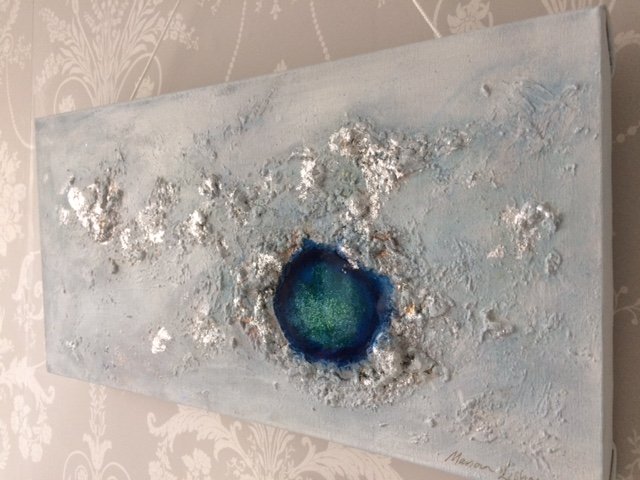
Step by Step Textured Painting
-
Step by Step Textured Painting
So following on from my last post about using resin in my paintings I realised that I had actually meant to document the process of creating the painting shown in that article. So I put together all of the images I took during the creation process and have made them into a step by step video of how I did it which I thought might be of interest to some. For future paintings I have just got myself a new video camera so hopefully I will be able to do some better videos (although if my first attempt is anything to go by this may not actually work out so…
You May Also Like
Paint it Yourself – Red Abstract
-
Textured Abstract Painting
OK so I was looking for a picture of a certain painting today and I came across another photograph of an old painting I did a couple of years ago that was one of my favourites, so I thought I would share it (especially after the last post was about one that I wasn’t really that keen on!). I did this textured abstract painting a couple of years ago and it sold pretty quickly after I got a lot of good feedback from friends and family. It was quite a large textured painting on a box canvas: I think if you click on it you should be able to get…
-
Paint Pouring – An Experiment
Firstly a disclaimer – there is no texture involved in this post! So I have seen a few videos of paint pouring and the kind of effects that you can get with pouring acrylic paint onto a surface and letting it do it’s thing. I have previously created and sold quite a large number of paintings using a similar technique in the past (see this article for more info) but haven’t done many paintings like that for a while as I have been more focused on using texture. Anyway, the paint pouring videos I have seen are fantastic and really made me want to give it a try. I will…
-
Creating a Textured Abstract Painting
Ok so I have finished the video of the creation of a new painting for my lounge. Obviously I couldn’t video every minute of creating the painting as the video would have been too long! Often I spent time just painting over and over to get the right effect. For me the key here is layers of paint, the more layers the better, until you feel like it is finished. The other key point is not to add any colour neat (apart from white), always try and partially mix it with another colour. This is the finished result, it is similar in style to the header image on this website:…
-
Tissue Paper for Texture
If you want a quick and easy way to add texture to your paintings then you can use tissue (the type you blow your nose on!) or tissue paper. ideally you would use PVA to apply the tissue to the canvas but if you don’t have any then you can just use acrylic paint. Either put the tissue on top of the wet paint or add the tissue to the paint and apply it to the canvas – you could also add a little water if it is a bit thick with the tissue in. Just leave it to dry (ideally overnight) and you have a good base to paint…
-
Using a Small Amount of Texture
So sometimes less is more but adding a small amount of texture to your paintings can really enhance the final look. For this painting I used a small amount of texture in the white splash of waves – some of it was quite thick – to give the enhanced effect of the waves crashing. It turned out really well and I am now working on a smaller version.
-
New Paintings for Exhibition
So I have 4 paintings going into an exhibition starting today and I thought I would share a few pictures as three of them involve plenty of texture and each one has a different type of texture under it. They are all abstract paintings as per my usual style. Painting 1 is similar to two I did for the same exhibition last year – marked off segments with different patterns in each piece of texture adding to the depth of the painting. I used my usual mixture of stucco and pva on the base of the painting, covering the whole canvas, then marking off the sections reasonably quickly and adding…
-
Painting a Sky in Acrylics
So I wanted to share with you the method I used to create a really nice blurred background sky in acrylics. The painting that this was for actually only contains texture for the main focus of the artwork – the seagull. I wanted to create the seagull as raised on its own with the sky a kind of abstract idea in the background.
-
Cleaning Brushes
Oil Paint When you are working with oil paints it is important that you keep the brushes clean so that the fibres do not splay and the brushes remain useable for many years. If you buy quality brushes then they can be quite expensive and therefore you need to spend time cleaning them so that the money you have spent is not wasted.